Priya Sharma
2 weeks agoClear modules and helpful lab practice. Instructors explain concepts step by step.
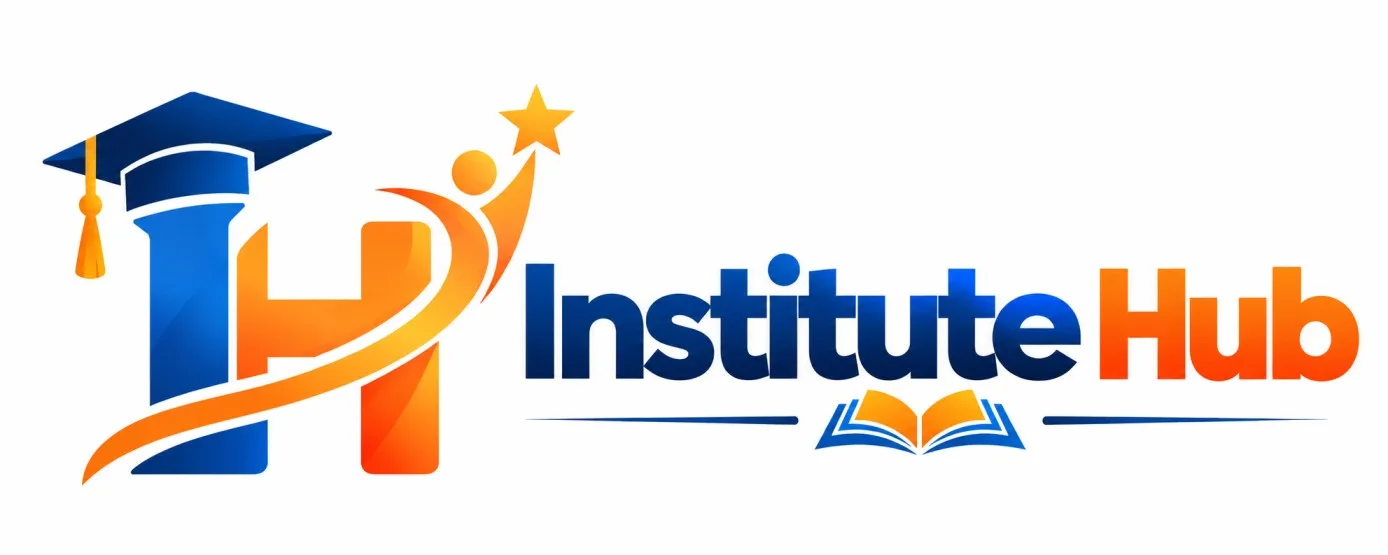
The Machine Learning A–Z course is a comprehensive, practical, and industry-oriented training program designed for students, software developers, aspiring data scientists, AI enthusiasts, and IT professionals who want to master Machine Learning from beginner to advanced level. The course covers Python, NumPy, Pandas, Scikit-learn, supervised learning, unsupervised learning, feature engineering, model evaluation, deployment, and real-world AI applications. Through hands-on projects, industry case studies, and practical assignments, learners gain the skills required to build intelligent systems that automate predictions and solve real business problems.
The Machine Learning A–Z course is a complete, practical, and industry-focused training program designed to help learners master Machine Learning from the ground up. Machine Learning is one of the fastest-growing technologies in the world and is transforming industries such as healthcare, banking, finance, e-commerce, cybersecurity, education, manufacturing, logistics, and entertainment. Modern companies like Google, Microsoft, Amazon, Netflix, Tesla, OpenAI, Meta, and countless startups use Machine Learning to build intelligent products, improve customer experiences, automate business processes, detect fraud, recommend products, recognize images, understand human language, and make accurate predictions. This course provides step-by-step guidance from beginner to advanced level, enabling learners to confidently build, train, optimize, and deploy Machine Learning models.
The course begins with an introduction to Artificial Intelligence (AI), Machine Learning (ML), and Data Science, helping students understand the differences between AI, Machine Learning, Deep Learning, and Generative AI. Learners explore real-world AI applications across healthcare, finance, education, e-commerce, autonomous vehicles, recommendation systems, robotics, and cloud computing.
Students receive complete guidance on Python Programming for Machine Learning, including variables, functions, loops, object-oriented programming basics, NumPy, Pandas, Matplotlib, and Seaborn. They learn how to import datasets, clean and preprocess data, manipulate large datasets, and visualize information before training Machine Learning models.
A major section focuses on Data Preprocessing and Feature Engineering, where learners handle missing values, duplicate records, outliers, categorical data encoding, feature scaling, normalization, standardization, feature selection, feature extraction, and data transformation. Students understand that high-quality data is the foundation of successful Machine Learning models.
The course provides comprehensive training on Supervised Learning Algorithms, including Linear Regression, Multiple Linear Regression, Polynomial Regression, Logistic Regression, Decision Trees, Random Forest, Support Vector Machines (SVM), Naive Bayes, K-Nearest Neighbors (KNN), Gradient Boosting, and ensemble learning methods. Students learn how each algorithm works, when to use it, and how to compare different models.
Students also master Unsupervised Learning, learning algorithms such as K-Means Clustering, Hierarchical Clustering, DBSCAN basics, Principal Component Analysis (PCA), dimensionality reduction, anomaly detection, and customer segmentation. These techniques help identify hidden patterns and trends in large datasets without labeled outputs.
The curriculum introduces Model Evaluation and Optimization, helping learners understand train-test split, cross-validation, confusion matrix, precision, recall, F1-score, ROC-AUC, Mean Squared Error (MSE), Root Mean Squared Error (RMSE), hyperparameter tuning, Grid Search, Random Search, bias-variance tradeoff, and methods to improve model accuracy.
Students receive practical training on Scikit-learn, the industry's most widely used Machine Learning library. They build reusable Machine Learning pipelines, automate preprocessing, train multiple models, compare algorithm performance, save trained models using Pickle and Joblib, and make predictions on new datasets.
Modern Machine Learning concepts are integrated throughout the curriculum, including Recommendation Systems, Time Series Forecasting, Natural Language Processing (NLP) basics, Computer Vision basics, Explainable AI (XAI), AutoML, AI Ethics, MLOps fundamentals, cloud-based Machine Learning, and integration with AWS, Azure, and Google Cloud AI services.
The course also introduces Machine Learning Model Deployment, enabling learners to deploy trained models using Flask, FastAPI, Streamlit, REST APIs, Docker, cloud servers, and web applications. Students understand how Machine Learning models are integrated into real-world software products and enterprise applications.
Hands-on learning forms the foundation of the course. Students complete multiple real-world Machine Learning projects, including House Price Prediction, Customer Churn Prediction, Student Performance Prediction, Credit Card Fraud Detection, Loan Approval Prediction, Employee Salary Prediction, Disease Prediction, Movie Recommendation System, Sales Forecasting, Spam Email Detection, Customer Segmentation, and Predictive Business Analytics. These projects simulate real business challenges and strengthen practical AI development skills.
Career development modules prepare learners for AI and Data Science careers through technical interview preparation, coding challenges, resume building, LinkedIn optimization, GitHub portfolio development, Kaggle project guidance, certification preparation, and industry best practices. Students also receive guidance on future learning paths including Deep Learning, Neural Networks, Computer Vision, Natural Language Processing, Generative AI, Large Language Models (LLMs), AI Agents, and MLOps.
By the end of the Machine Learning A–Z course, learners will confidently collect and preprocess data, build Machine Learning models, evaluate and optimize algorithms, deploy intelligent applications, and solve real-world business problems using AI-powered solutions. They will possess the practical knowledge, analytical thinking, programming expertise, and Machine Learning skills required to work effectively in Artificial Intelligence, Data Science, Business Intelligence, Cloud Computing, and enterprise software development.
This course is highly recommended for students, software developers, Python developers, data analysts, aspiring data scientists, AI engineers, researchers, cloud professionals, engineering graduates, IT professionals, entrepreneurs, and anyone interested in Artificial Intelligence and Machine Learning. Upon successful completion, learners will be prepared for roles such as Machine Learning Engineer, Data Scientist, AI Engineer, Python Developer, Data Analyst, Business Intelligence Analyst, AI Solutions Developer, Research Engineer, Junior MLOps Engineer, or Artificial Intelligence Associate, while building a strong foundation for advanced careers in Deep Learning, Computer Vision, Natural Language Processing, Generative AI, Large Language Models (LLMs), and enterprise AI systems.
Curriculum will be published soon.
Director
Clear modules and helpful lab practice. Instructors explain concepts step by step.
Good structure and timely assessments. Would recommend for beginners.

Install Institute Hub
Add our app to your phone or computer for quick, full-screen access.